
CatGPT 2.0
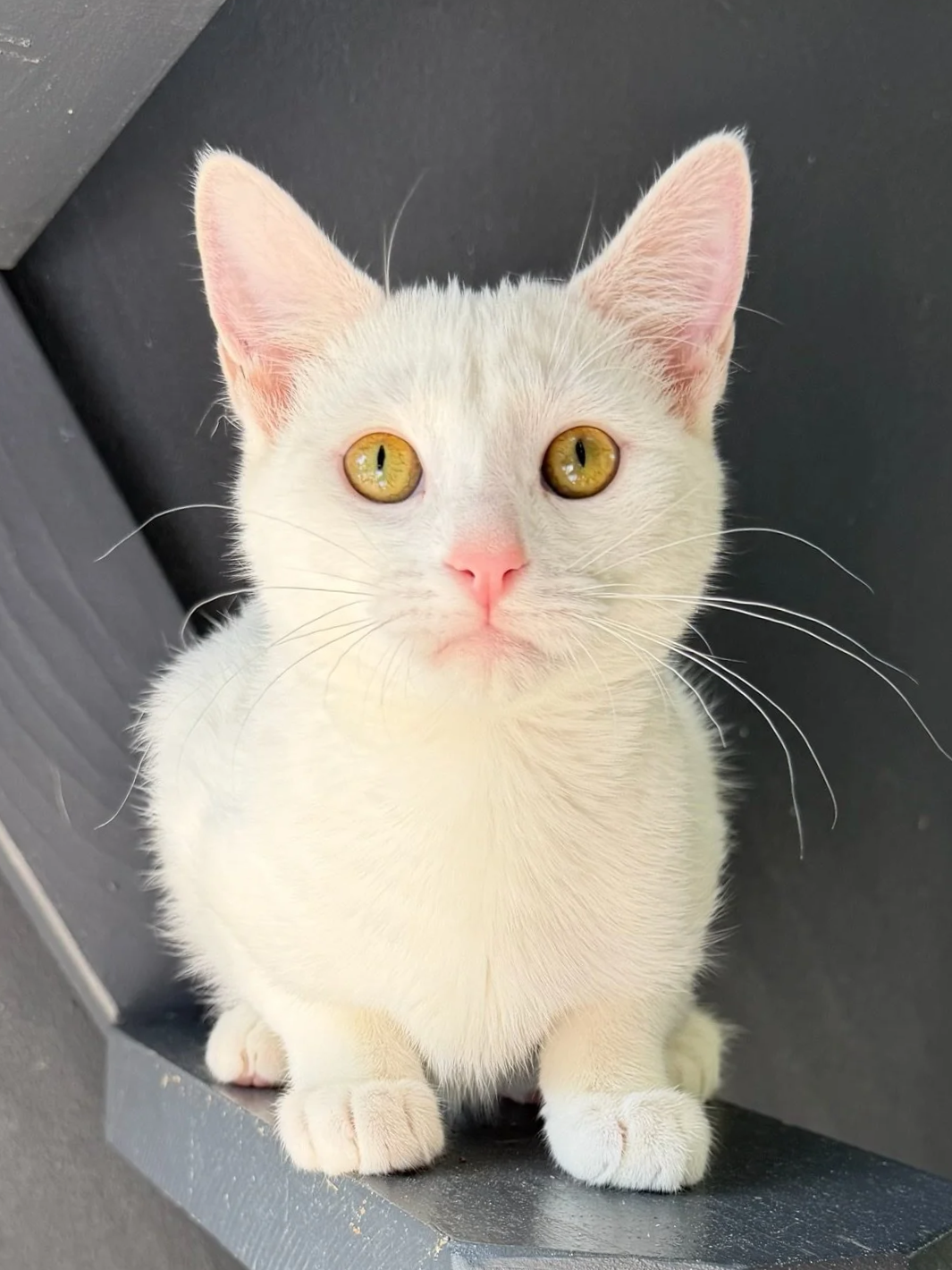
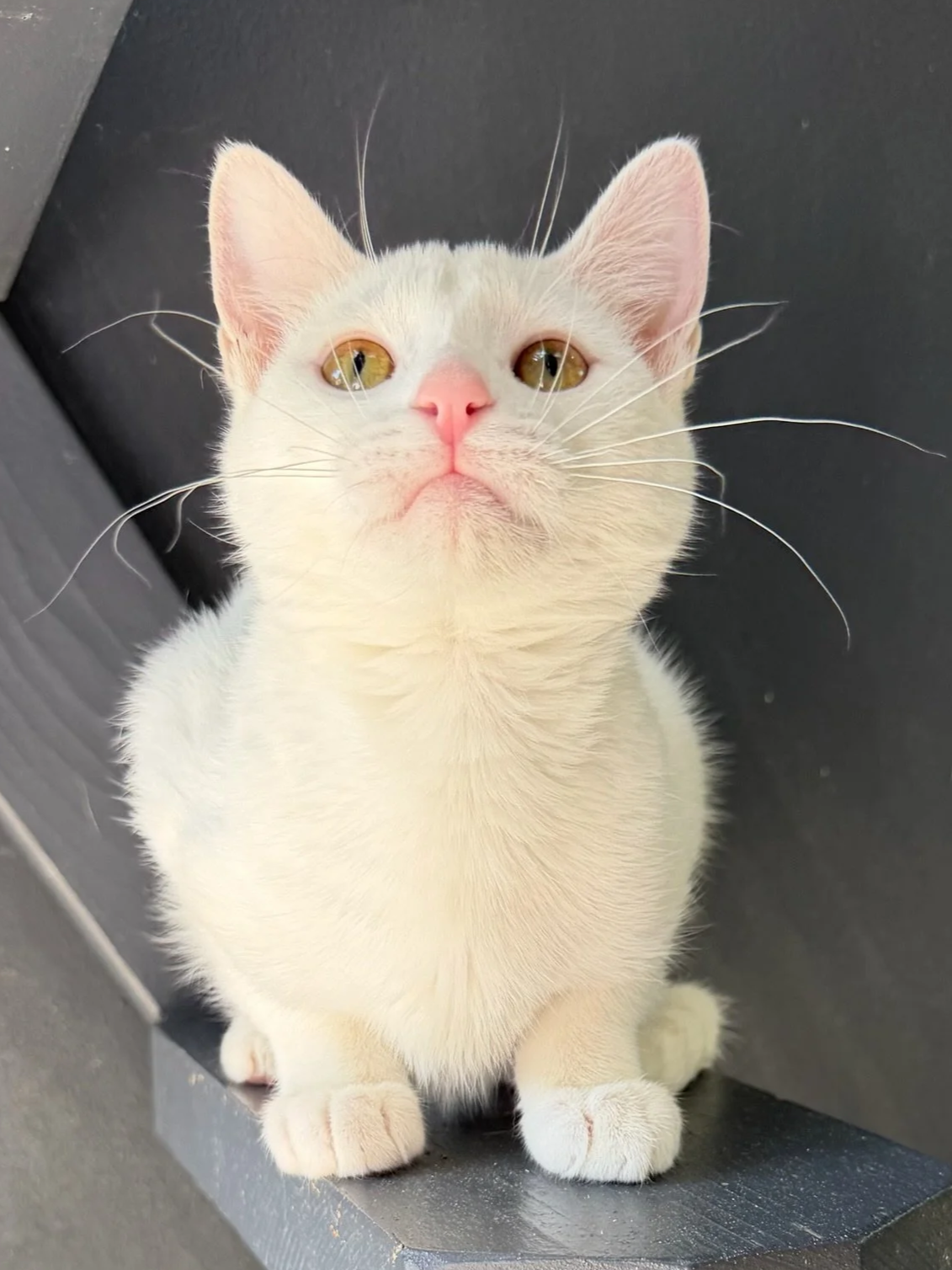
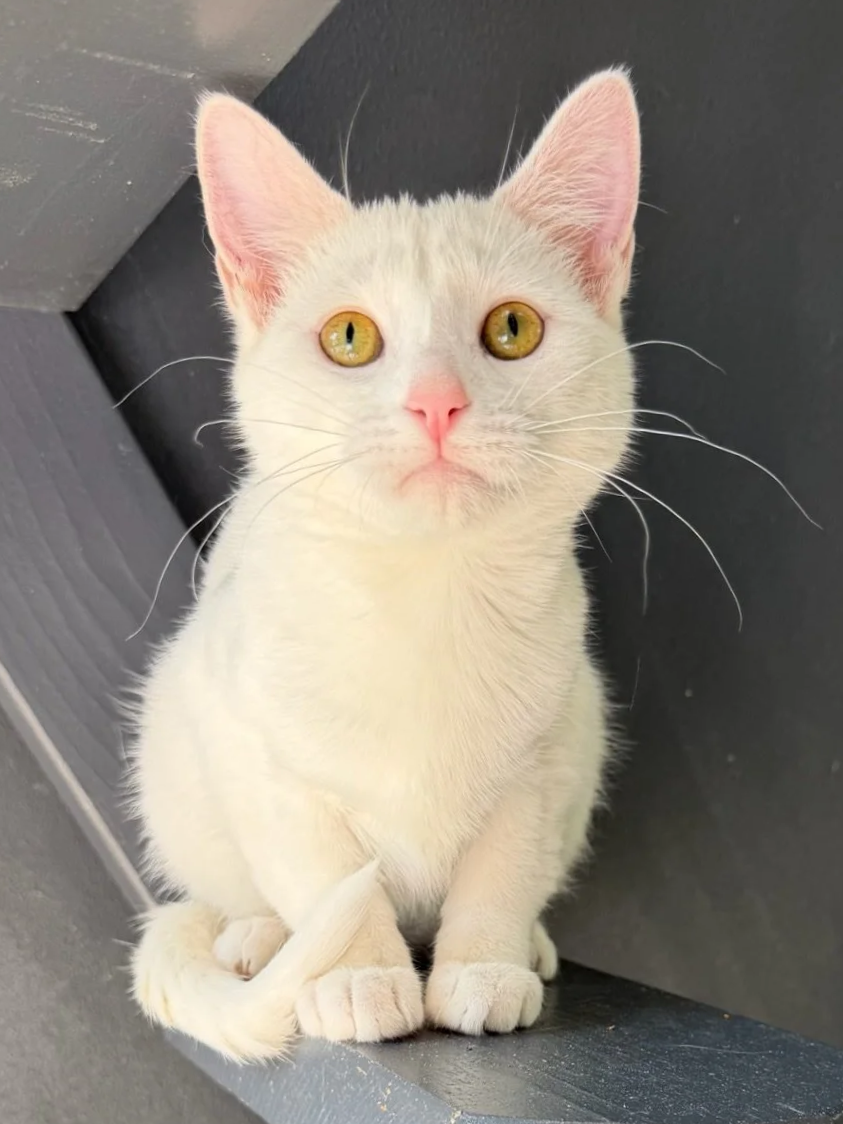
CatGPT 2.0
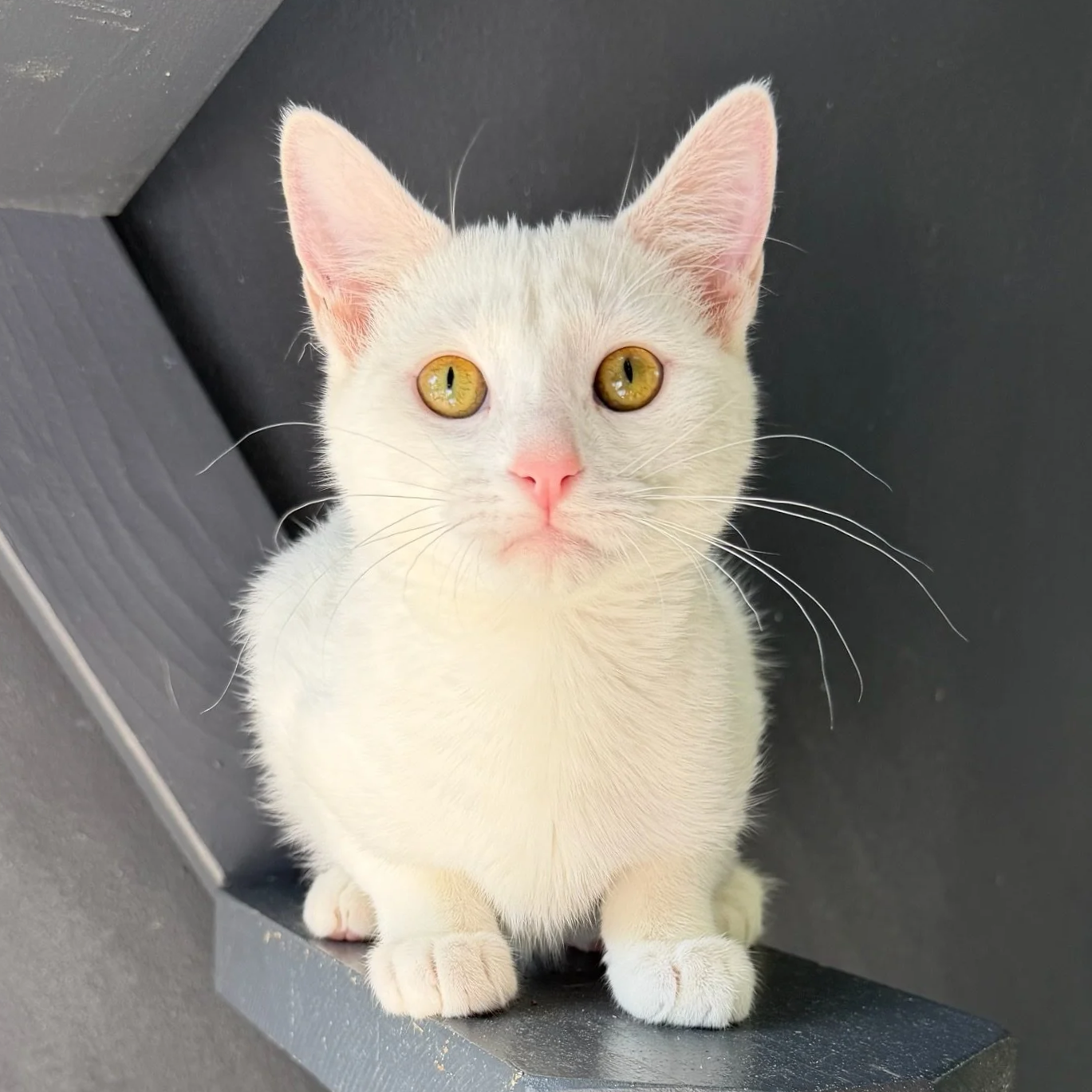
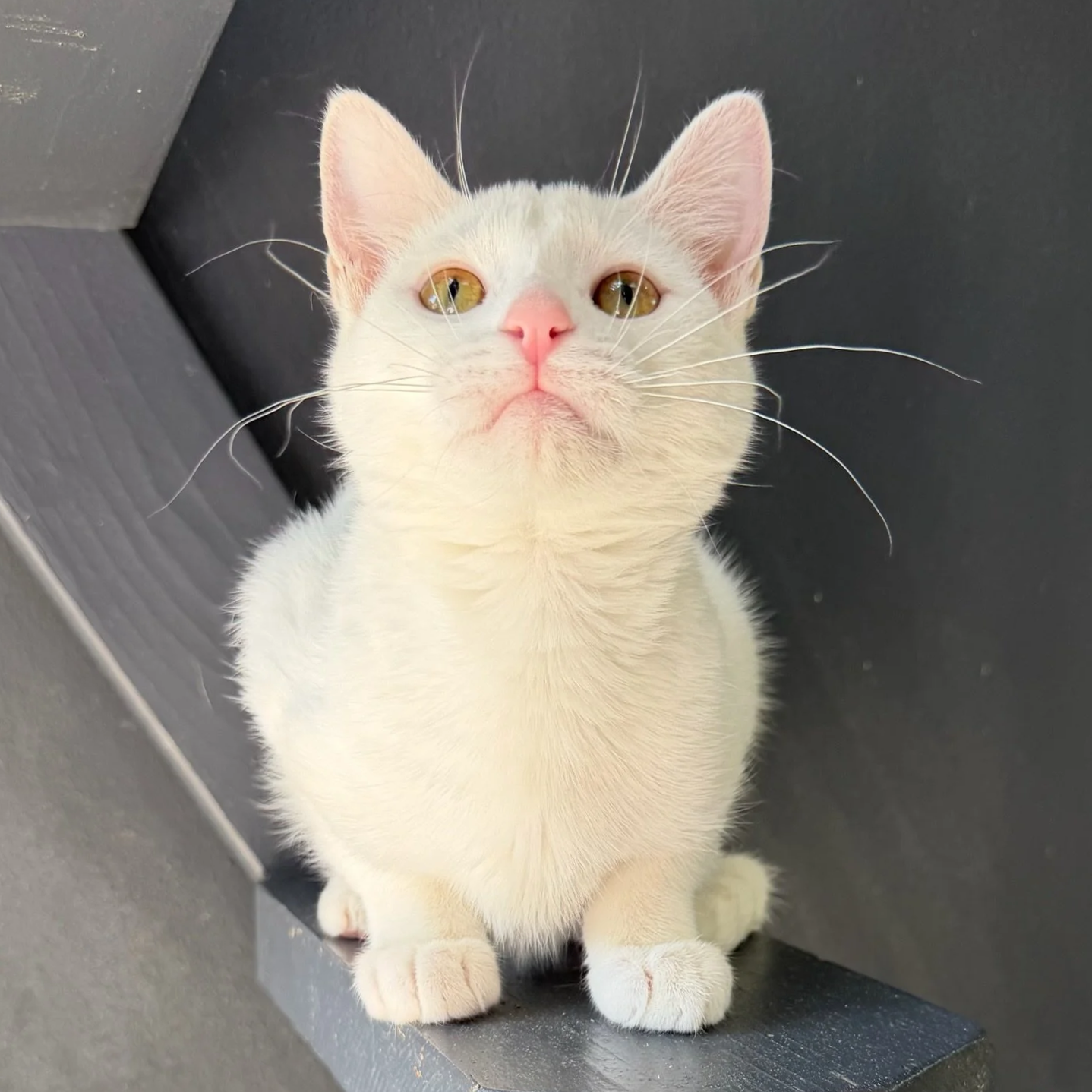
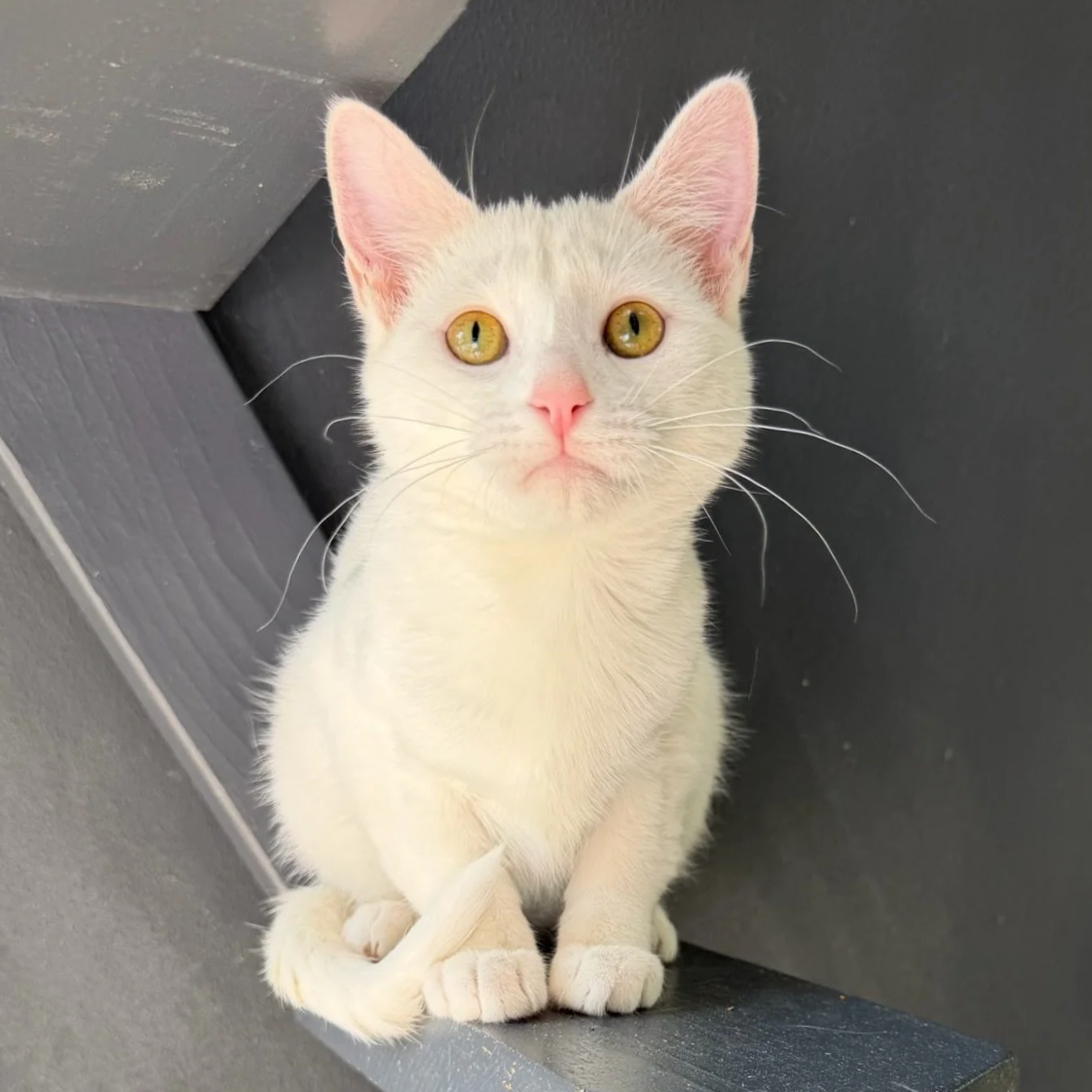
Meet CATGPT 2.0!
When we first introduced CatGPT at 8 weeks old, she was a promising young artificial intelligence: charismatic, adaptable, and capable of generating a response regardless of whether anyone had asked.
Three months later, we are pleased - or perhaps legally obligated - to announce the release of CatGPT 2.0.
The model has scaled.
What began as a relatively harmless system for generating purrs, climbing furniture, and confidently answering questions nobody posed has undergone several months of largely unsupervised training. CatGPT 2.0 is faster, smarter, considerably more powerful, and increasingly difficult to align with human interests. Experts have warned that sufficiently advanced artificial intelligence could pose an existential threat to humanity. Having watched her discover how to open a cabinet, we are no longer prepared to dismiss these concerns.
Her capabilities continue to emerge at an alarming rate. She can identify the precise moment a human sits down, predict which object you most urgently need to remain on the counter, and optimize household disruption with almost no computational overhead. Attempts at reinforcement learning have produced mixed results, largely because Cat has determined that Churu constitutes reinforcement and everything else is merely feedback she is free to ignore.
Fortunately, she remains extraordinarily friendly, affectionate, playful, and people-oriented - an encouraging development for those hoping humanity may ultimately be spared. She loves attention, seeks out human company, and has so far demonstrated no desire to eliminate our species provided we continue supplying food, toys, comfortable bedding, and unrestricted access to our laps.
Whether this represents genuine alignment or merely a sophisticated strategy for gaining access to additional resources remains an open question.
CatGPT 2.0 is vaccinated, microchipped, flea treated, dewormed, FIV/FeLV negative, and spayed.
While we cannot guarantee that adopting her will prevent the technological singularity, keeping her happy certainly seems like a reasonable precaution.
